Archives
- 2026-09
- 2026-08
- 2026-07
- 2026-06
- 2026-05
- 2026-04
- 2026-03
- 2026-02
- 2026-01
- 2025-12
- 2025-11
- 2025-10
- 2025-09
- 2025-04
- 2025-03
- 2025-02
- 2025-01
- 2024-12
- 2024-11
- 2024-10
- 2024-09
- 2024-08
- 2024-07
- 2024-06
- 2024-05
- 2024-04
- 2024-03
- 2024-02
- 2024-01
- 2023-12
- 2023-11
- 2023-10
- 2023-09
- 2023-08
- 2023-06
- 2023-05
- 2023-04
- 2023-03
- 2023-02
- 2023-01
- 2022-12
- 2022-11
- 2022-10
- 2022-09
- 2022-08
- 2022-07
- 2022-06
- 2022-05
- 2022-04
- 2022-03
- 2022-02
- 2022-01
-
The study by Lo http www
2024-03-14
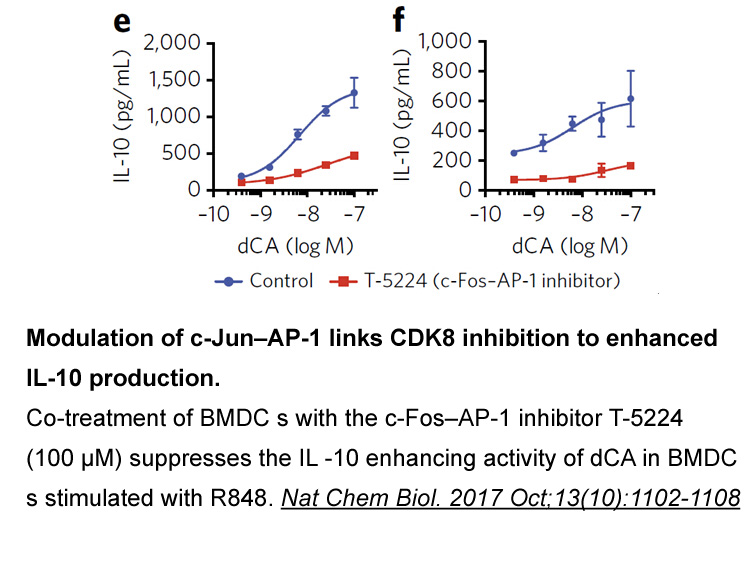
The study by Lowry et al. (2001) pointed toward functionally uncharacterized DA- and 5-HT-accumulating neurons within the DMH as a potential target for rapid nongenomic effects of CORT. Similar DA- and 5-HT-accumulating systems are distributed throughout the central and peripheral nervous systems, s
-
br Regulatory mechanisms of ASK activity br The functions
2024-03-13
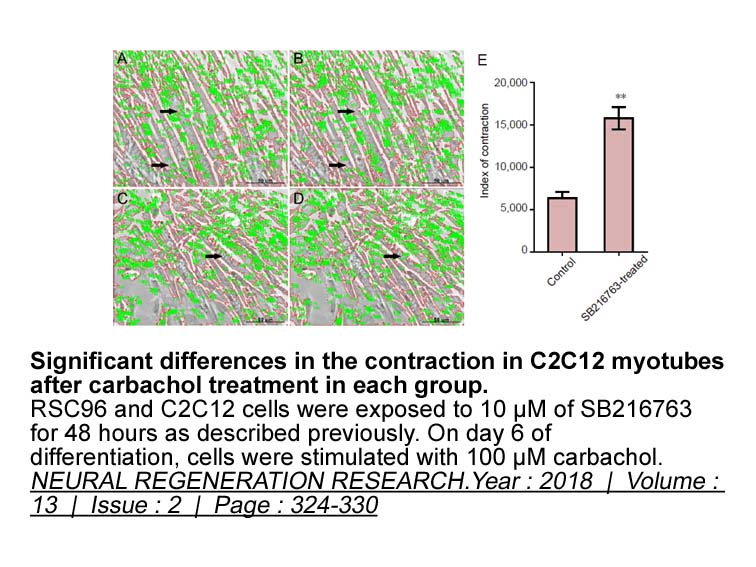
Regulatory mechanisms of ASK1 activity The functions of ASK1 in disease ASK1 inhibitor As mentioned above, ASK1 plays a pivotal role in the pathogenesis of various diseases; hence, an ASK1 inhibitor has therapeutic potential. Although inhibitors of the ASK1 downstream kinases p38 and JNK ar
-
The use of FTAI can overcome the negative
2024-03-13
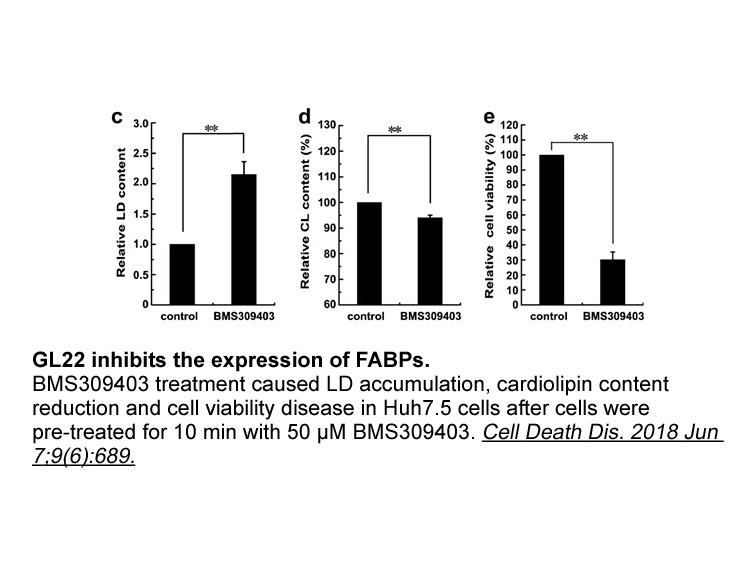
The use of FTAI can overcome the negative impact of low estrus detection efficiency, but implies effective synchrony of luteal function as well as synchronous growth and ovulation of a viable 5224 follicle. Pregnancy rates obtained with FTAI may be comparable or better than those obtained after AI
-
Plasma apelin levels predict the major cardiovascular event
2024-03-13
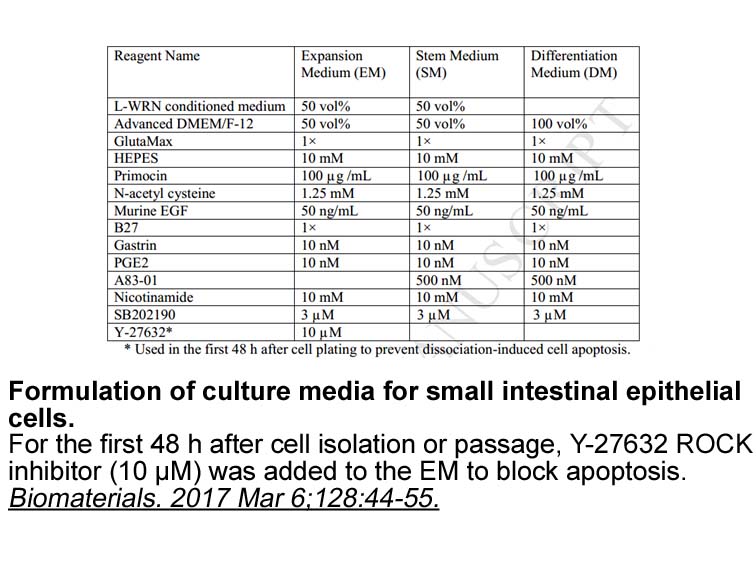
Plasma apelin levels predict the major cardiovascular event after percutaneous coronary intervention in patients with ST elevation myocardial infarction (STEMI), and adverse events are higher in patients with lower plasma apelin levels [75]. Apelin and its receptor are markedly upregulated in the he
-
The PDZ domains of DLG
2024-03-13
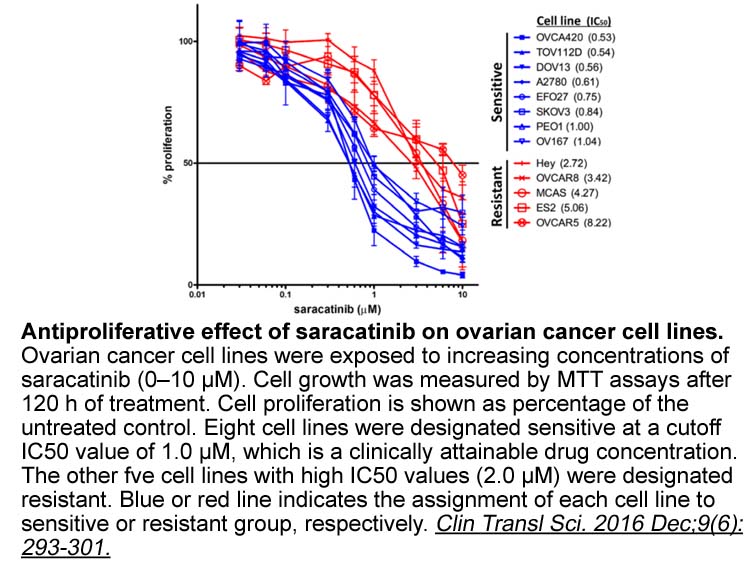
The PDZ domains of DLG interact with tumor suppressor proteins, APC and PTEN, as well as with several viral oncoproteins such as the E6 protein present in oncogenic human papillomavirus (reviewed in [177]). It has been reported that overexpression of DLG in fibroblasts impairs the events in the G0/G
-
br Materials and methods br Results br Discussion The
2024-03-13

Materials and methods Results Discussion The transcriptional activity of PGC-1α is regulated by a number of stimuli, exemplifying the range of settings in which mitochondrial biogenesis is induced. The mechanisms governing this regulation have been extensively studied and have been determin
-
Mechanistically NAergic signaling in the VTA modulates neuro
2024-03-13
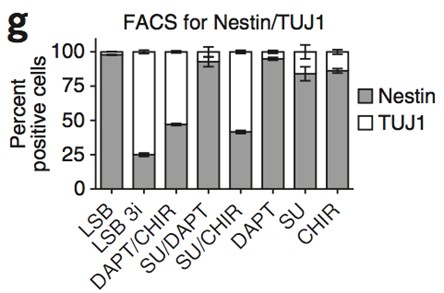
Mechanistically, NAergic signaling in the VTA modulates neuronal activity presumably via α1-AR. The majority of α1-ARs are found in the VTA are located presynaptically on unmyelinated Antagonist G and axon terminals of glutamatergic and GABAergic neurons. However, α1-ARs are also found on neuronal d
-
BMS 777607 Salivary amylase activity was not significantly d
2024-03-13

Salivary α-amylase activity was not significantly different between bitches with pyometra and healthy bitches, and there were no significant changes after ovariohysterectomy, similar to chromogranin A (Jitpean et al., 2015). Therefore, it is postulated that the SAM axis is not activated in bitches w
-
Materials and methods br Results br
2024-03-13
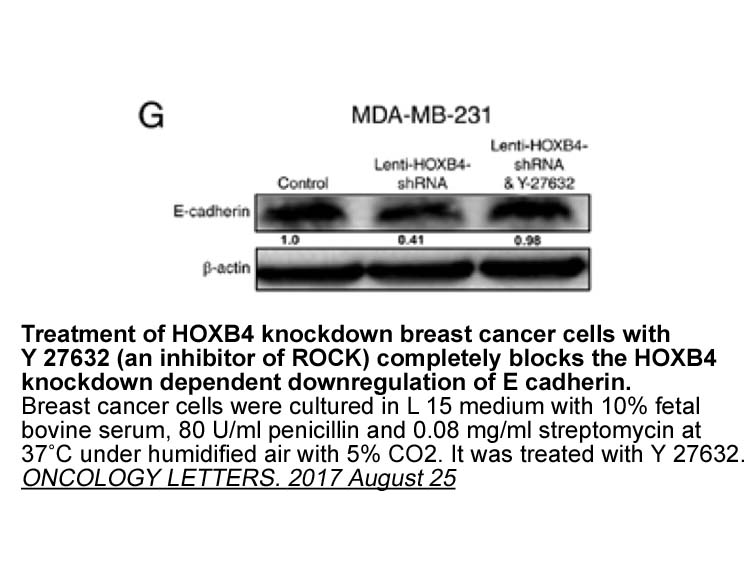
Materials and methods Results Discussion The BV-tag-based electrochemiluminescence immunoassay is an extremely sensitive assay. It has been employed for detecting analytes present in only picogram quantities (e.g., bacterial toxins [26], N6022 [19]), measuring the activity of basic carboxype
-
Our second patient years old male
2024-03-13
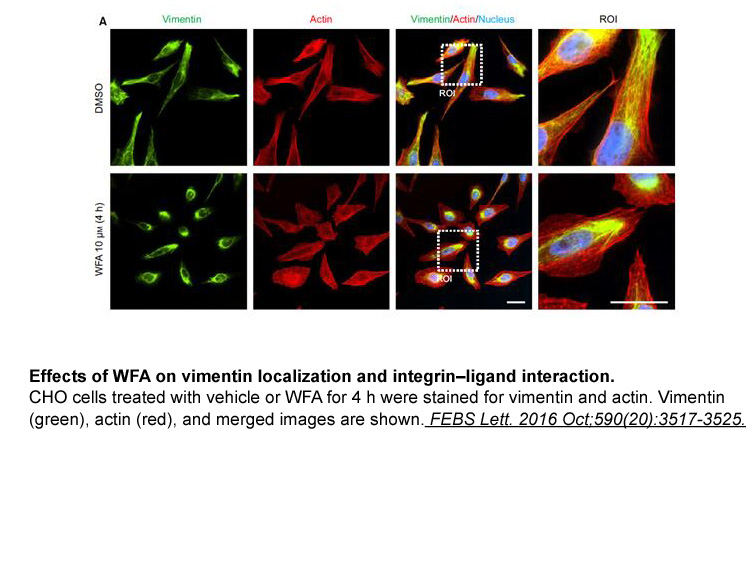
Our second patient, 42years old male, a farmer, was all right when he went to sleep, but noticed drooping of eyelids and swallowing difficulty when he woke up. He later developed flaccid weakness of all four limbs and was quadriplegic when he was wheeled into the emergency room. He was tachypneic an
-
Taken together our results indicated that LOX
2024-03-12
Taken together, our results indicated that 5-LOX can be induced in mice by MPTP injection, and the 5-LOX inhibitor MK-886 reduced the death of dopaminergic neurons. MK-886 also reduced the LTB4 ion channels induced by MPTP. The development of the novel 5-LOX or FLAP inhibitors may provide a new the
-
The presence of different LO splice variants was
2024-03-12
The presence of different 5-LO splice variants was first demonstrated in human Cy5.5 NHS ester tumour cells and in dimethyl sulfoxide-differentiated HL-60 cells [40] and a correlation between the 5-LO splicing pattern and the malignancy of the brain tumours was found. Later, other splice variants w
-
We demonstrate a role for low oxygen
2024-03-12
We demonstrate a role for low oxygen to regulate ATX mRNA in hepatocyte-derived HuH7 Azaperone and human liver slices, consistent with reports of increased ATX expression in a variety of tumours that are frequently hypoxic. Importantly, we show a positive association between elevated ATX mRNA level
-
Elevated expression of Aurora A and B
2024-03-12
Elevated expression of Aurora-A and -B frequently detected in a wide variety of human cancers strongly indicate that high expression of these kinases play roles in the development of cancer associated phenotypes. While Aurora-A has been shown to function as an oncogene when over expressed in mammali
-
The Type A series contains of the confirmed hits
2024-03-12

The Type-A series contains 6 of the 11 confirmed hits, making it a highly attractive lead template. Seven (7) out of 8 Type-A series of 3-substituted-2-furoic acids are highly active (84–100% inhibition) at the high concentration of 100μM. We could deduce some interesting, albeit preliminary structu
8049 records 217/537 page Previous Next First page 上5页 216217218219220 下5页 Last page