Archives
- 2026-09
- 2026-08
- 2026-07
- 2026-06
- 2026-05
- 2026-04
- 2026-03
- 2026-02
- 2026-01
- 2025-12
- 2025-11
- 2025-10
- 2025-09
- 2025-04
- 2025-03
- 2025-02
- 2025-01
- 2024-12
- 2024-11
- 2024-10
- 2024-09
- 2024-08
- 2024-07
- 2024-06
- 2024-05
- 2024-04
- 2024-03
- 2024-02
- 2024-01
- 2023-12
- 2023-11
- 2023-10
- 2023-09
- 2023-08
- 2023-06
- 2023-05
- 2023-04
- 2023-03
- 2023-02
- 2023-01
- 2022-12
- 2022-11
- 2022-10
- 2022-09
- 2022-08
- 2022-07
- 2022-06
- 2022-05
- 2022-04
- 2022-03
- 2022-02
- 2022-01
-
br Expression of GlyT in the spinal
2022-04-16
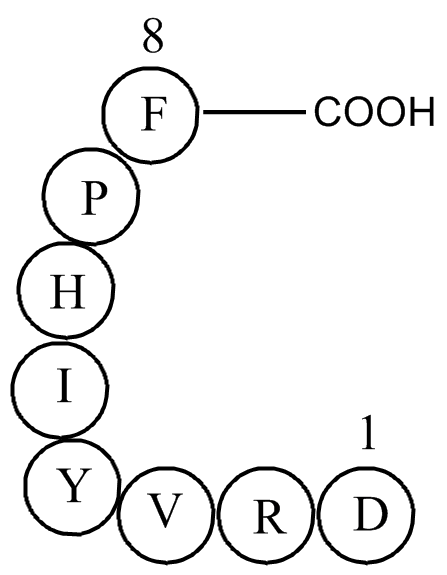
Expression of GlyT in the spinal cord in response to neuropathic pain Twelve days after sham injury or CCI, GlyT1 and GlyT2 mRNA expression in rat spinal cord was analyzed using qPCR. Here, no significant changes in expression of the transporters in our CCI model of neuropathic pain compared with
-
Our inhibitor studies revealed the presence of a signaling n
2022-04-16
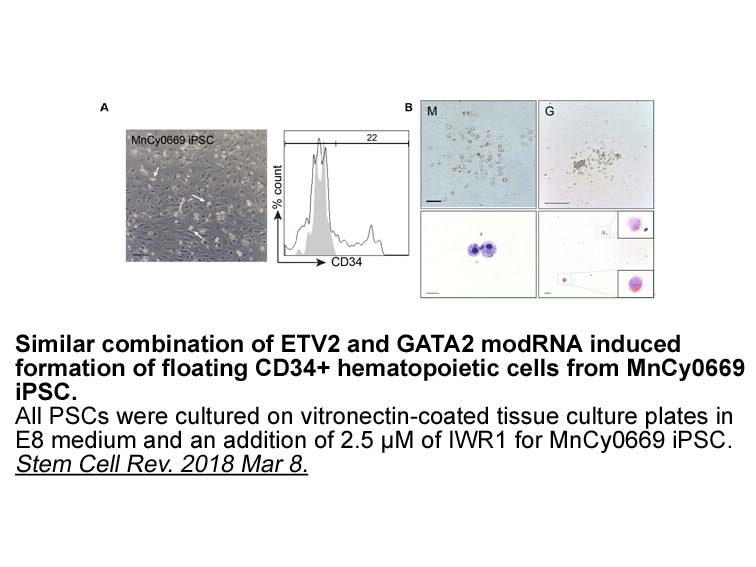
Our inhibitor studies revealed the presence of a signaling network triggered by dicarbonyl stress. Nevertheless, p38-MAPK activation was clearly necessary for NADPH-oxidase mediated production of ROS. This is consistent with data from other groups using different cell culture systems [37], [38], [39
-
Previous studies have demonstrated that cannabinoid potentia
2022-04-16
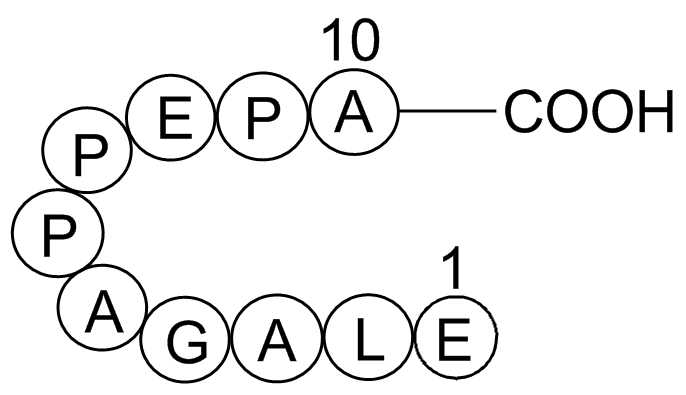
Previous studies have demonstrated that cannabinoid potentiation of GlyR α3 subunits contributes to cannabinoid-induced analgesia. For instance, Dehydroxylcannabidiol (DH-CBD), a chemically modified cannabinoid, can alleviate acute pain and chronic inflammatory pain by targeting spinal α3 GlyRs (Xio
-
br Conclusion Until recently astrocytes were recognized sole
2022-04-15
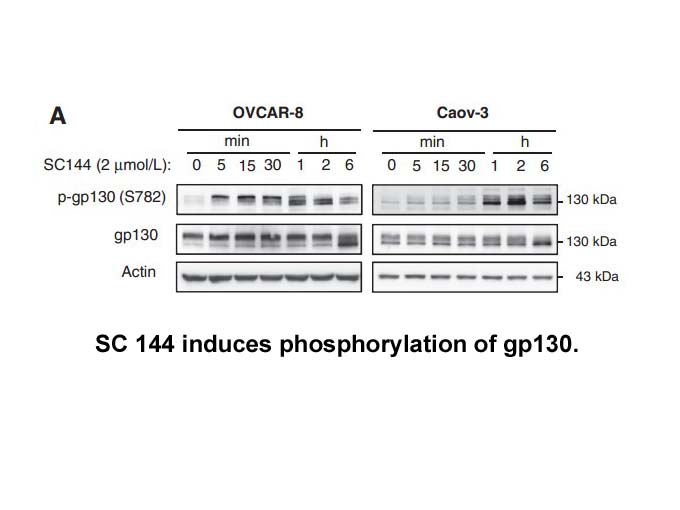
Conclusion Until recently, astrocytes were recognized solely for their maintenance role in the regulation of N6-Methyl-dATP homeostasis. Nowadays, this idea has changed, it is clear that these cells play a crucial role in the regulation of neuronal activity and signal transmission. In particular
-
The lactam compounds including ceftriaxone CEF have shown to
2022-04-15
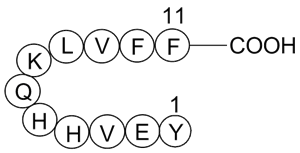
The β-lactam compounds, including ceftriaxone (CEF), have shown to attenuate drug-seeking in several drugs of abuse including methamphetamine [31], cocaine [32,33], nicotine [34] and morphine [35]. Moreover, in our laboratory, we have shown that CEF can reduce chronic alcohol drinking via upregulati
-
br Electron crystallographic structures of
2022-04-15
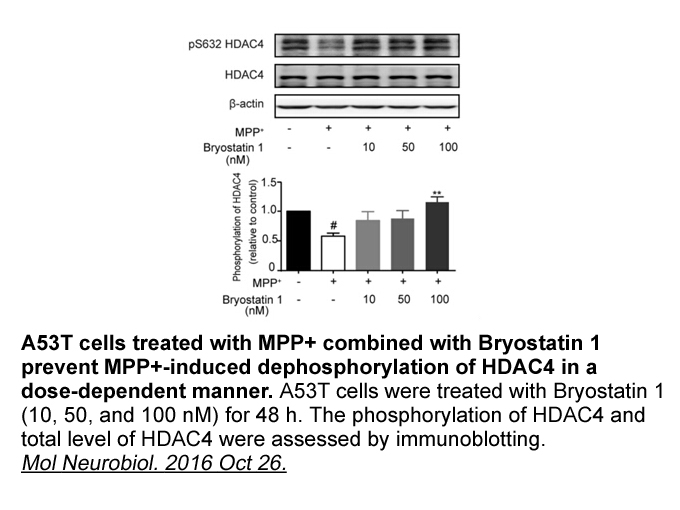
Electron crystallographic structures of connexins The structures of gap junctions are good targets for electron microscopy because they exhibit the characteristic features of self-assembly. Early studies examined the three-dimensional (3D) structures of native gap junction lrrk2 from rodents usi
-
br Acknowledgements Research was funded by the Natural Scien
2022-04-15
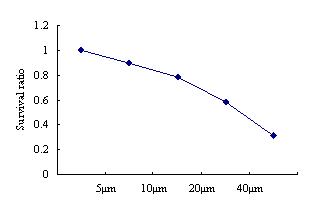
Acknowledgements Research was funded by the Natural Sciences and Engineering Council of Canada (NSERC) (Grant #210290) SGF. The funding body played no role in the design or execution of the study. The authors declare no conflict of interest. Introduction HBO2 therapy is the use of 100% oxyge
-
With the identification of small nonpolar substituents
2022-04-15
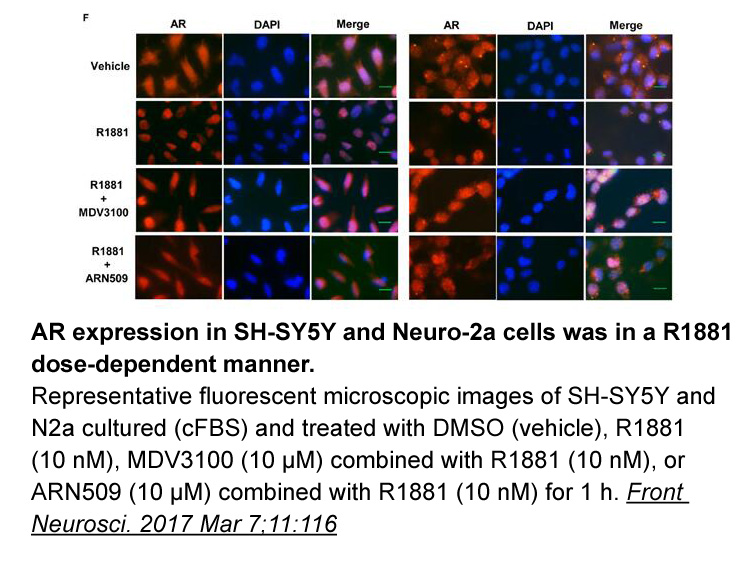
With the identification of small nonpolar substituents at R3 of the phenylpropanoic acid ring providing improved activity at FFA4, exploration of the benzyl SAR was undertaken (). Small substituents were well tolerated at both the and positions (–) with the 2-bromo- (), 2-isopropoxy- (), and 3-methy
-
br Introduction The fibroblast growth
2022-04-15
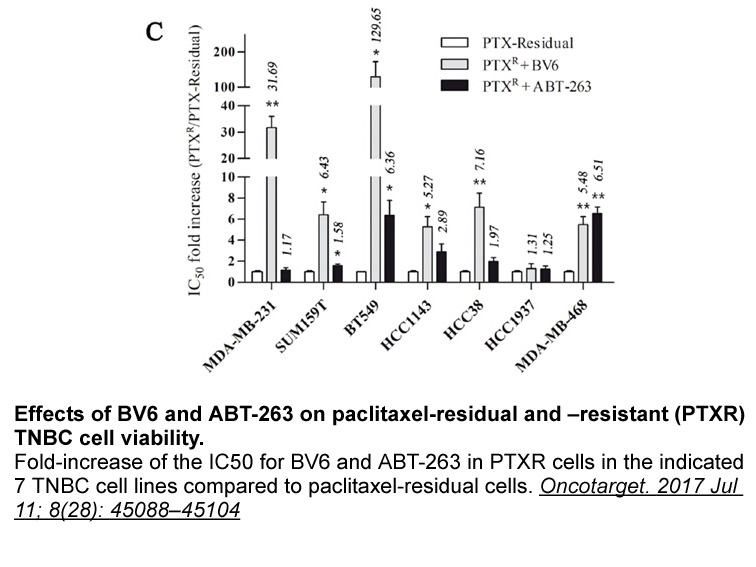
Introduction The fibroblast growth factor receptor (FGFR) pathway is an important oncogenic driver in malignant cancer. It controls cellular processes such as cell proliferation, differentiation, migration, Marizomib progression, metabolism, and survival. In non–small-cell lung cancer, the most
-
Both anxiety like behavior and sucrose preference intake wer
2022-04-15
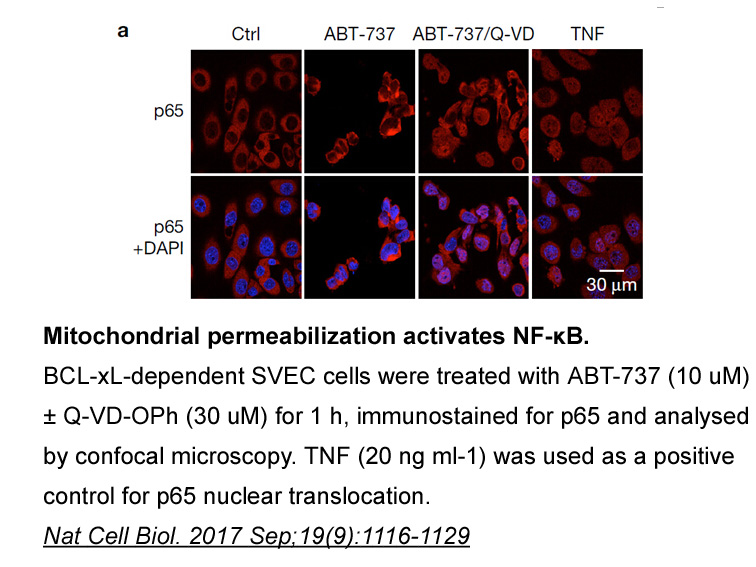
Both anxiety-like behavior and sucrose preference/intake were reduced in GPR40/FFAR1 KO male mice, while social behavior was normal in KO mice. These findings indicate that brain GPR40/FFAR1 is involved in the modulation of anxiety- and depression-like behavior in rodents. Previous studies have demo
-
Immunohistochemistry using anti FFAR antibodies revealed imm
2022-04-15
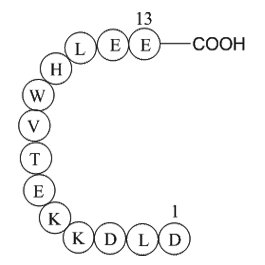
Immunohistochemistry using anti-FFAR1 antibodies revealed immunoreactivity for FFAR1 in association with the cell membrane of the hepatocytes (Figure 2). However, the anti-FFAR2 antibody was not suitable for immunohistochemistry under the tested conditions (data not shown). Fatty liver is an import
-
The Rho family of GTPases
2022-04-15
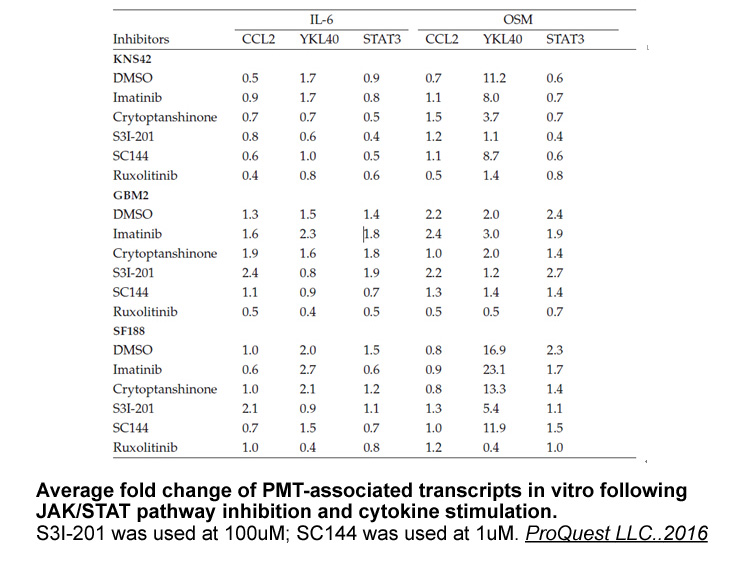
The Rho family of GTPases is composed of many small ubiquitous signaling G proteins that bind to guanosine triphosphate (GTP) and hydrolyze it to guanosine diphosphate (GDP). They act as switches: when binding to GTP, they are active and associate with a variety of target proteins that regulate intr
-
Recent advances in imaging single protein mobility and organ
2022-04-15
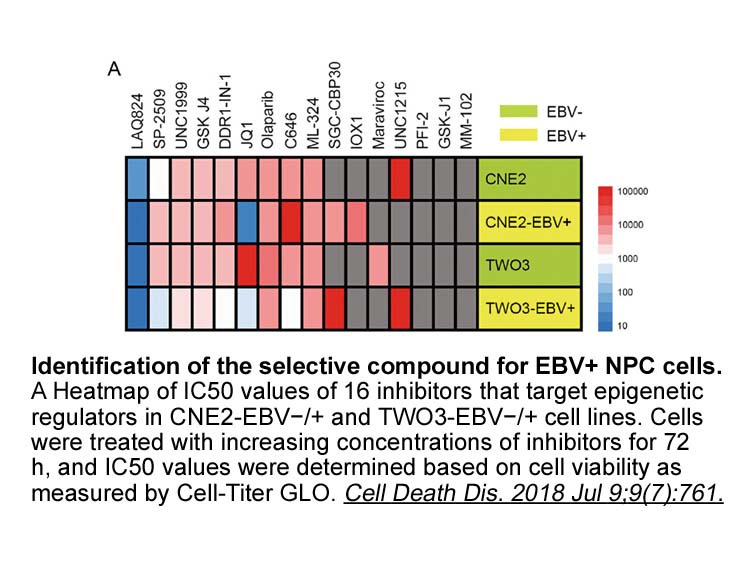
Recent advances in imaging single protein mobility and organization in live organisms such as Drosophila larva motor nerve terminals have initiated this by providing a useful platform to investigate how the dynamic changes in the actomyosin network correlates with vesicle docking and fusion in vivo2
-
Previous study demonstrated that Hcy elevated organ culture
2022-04-15
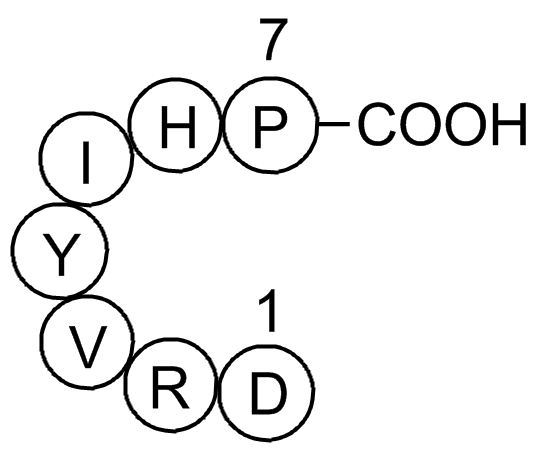
Previous study demonstrated that Hcy elevated organ culture-induced up-regulation of ETB receptor in VSMCs (Chen et al., 2016a; Chen et al., 2016b). Many signaling pathways were involved in Hcy-induced up-regulation of ETB receptor in VSMCs, such as ERK1/2/NF-κB signaling pathway, Sirt1/NF-κB signal
-
Assays can perform differently by genotype and under quantif
2022-04-14
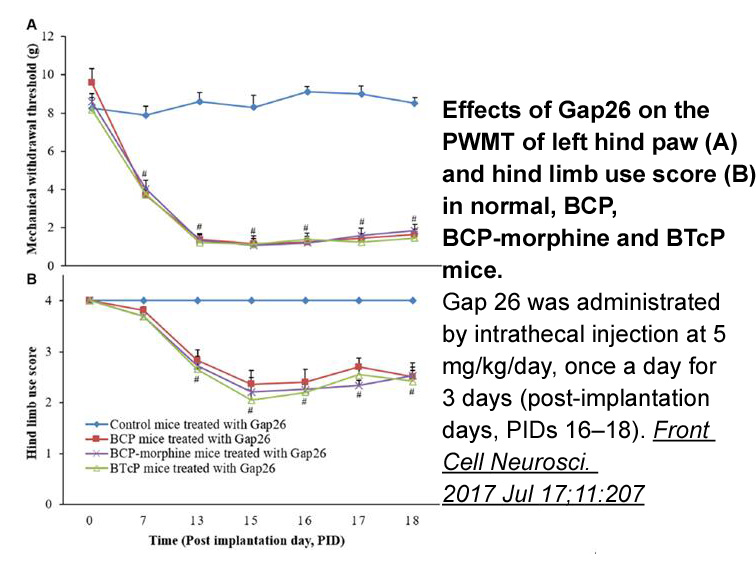
Assays can perform differently by GSK2879552 and under-quantification of HCV GTs has been seen with HCV assays [8], [9], [10], [11]. Under-quantification of GT4 has been reported in some early studies of the VERIS Assay [7], [12] where a bias greater than −0.5 log10IU/mL was seen. In two more recen
8044 records 477/537 page Previous Next First page 上5页 476477478479480 下5页 Last page